Reclaiming Africa’s Plate, One Delicious Bite at a Time
Welcome to MyFIA Chefs, the ultimate Pan-African culinary movement. We are bringing indigenous ingredients, living soils, and ancestral recipes out of the past and onto the modern global stage.
Our Culinary Philosophy
Food is much more than sustenance. It is history, identity, and cultural sovereignty passed down through generations. My Food Is African connects culinary artists who champion local crops, heritage grains, and farmer-managed seed systems. Working in solidarity with the Alliance for Food Sovereignty in Africa (AFSA), we bridge local roots and global fine dining to ensure African food systems remain vibrant, resilient, and independent.
More Than Chefs: Cultivating Culinary Magic
African chefs are cultural ambassadors, passionate educators, brilliant storytellers, and fierce advocates. We bridge the vital gap between the kitchen and the farm, pairing indigenous ingredients with sustainable agroecology. Together, we champion farmer-managed seed systems and prove that African gastronomy is bold, beautiful, and endlessly inventive.
Get Ready for Chefs Week
The Culinary Masters
Meet the visionary chefs and culinary artists shaping the future of African cuisine across regional territories and the international diaspora.
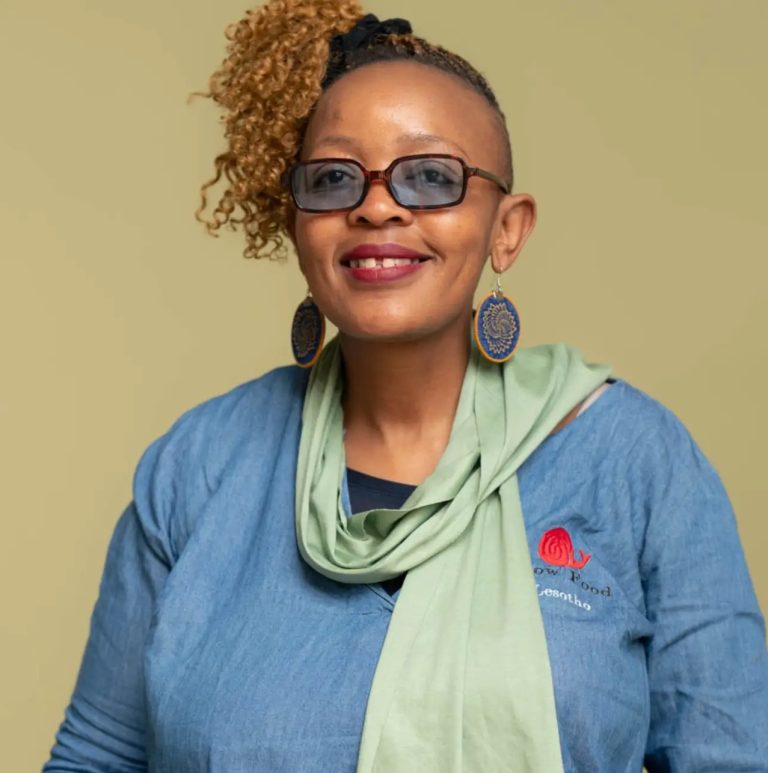
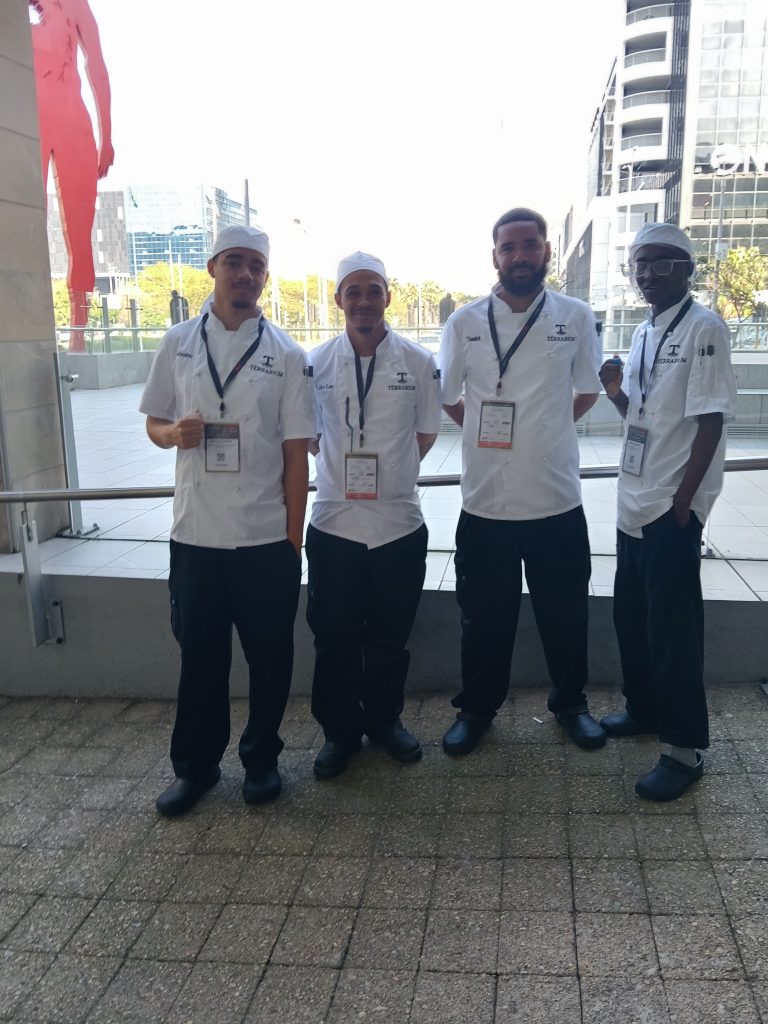
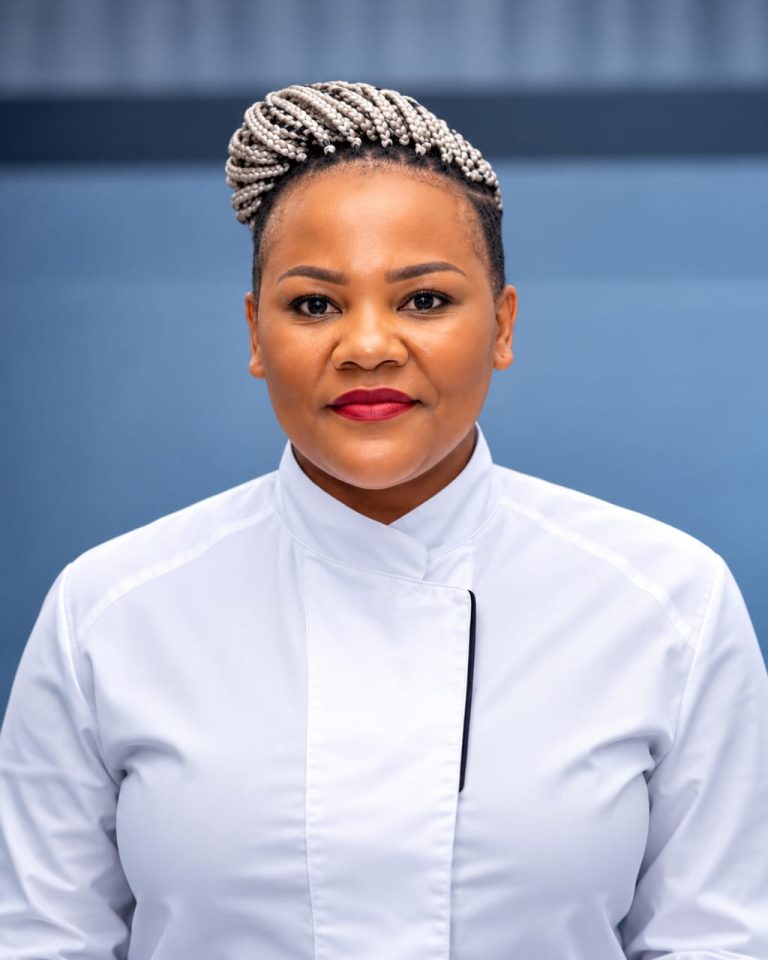
A Decade of Excellence in African Gastronomy: Honour Our Roots, Master Our Craft, and Share Our Flavours with the World.
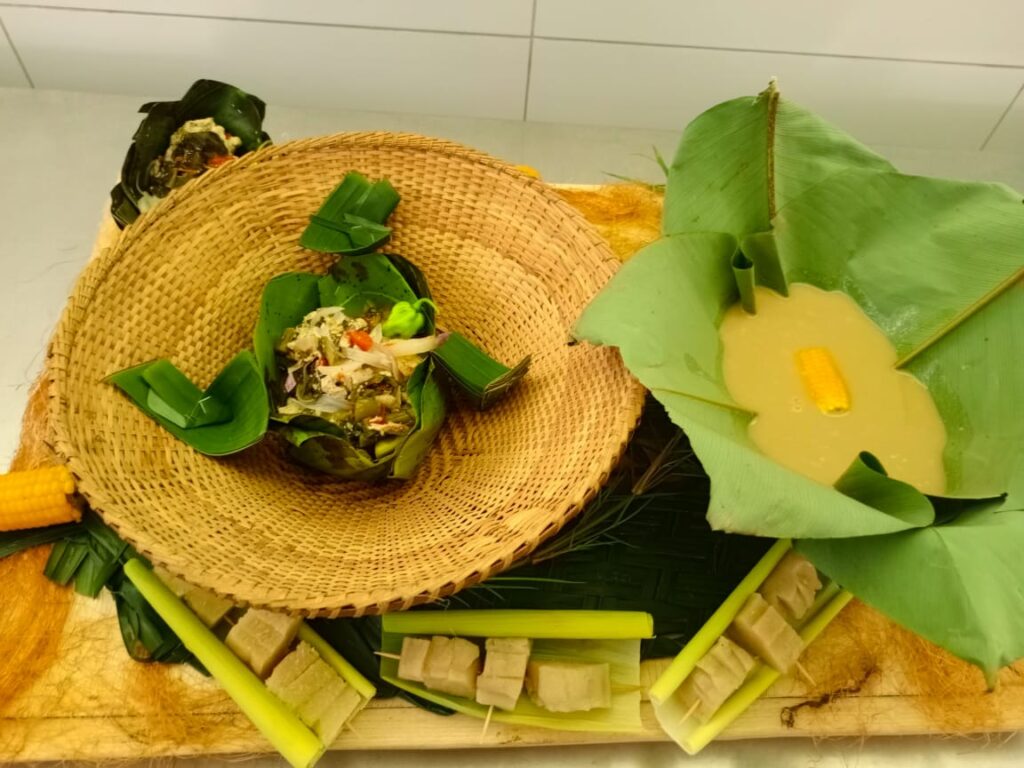
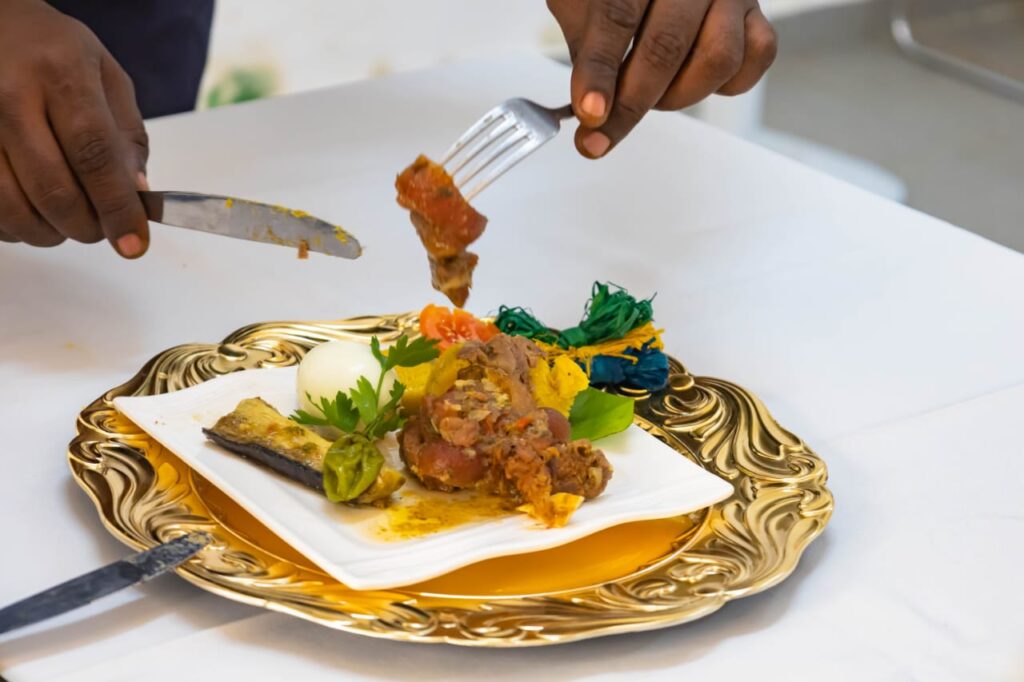
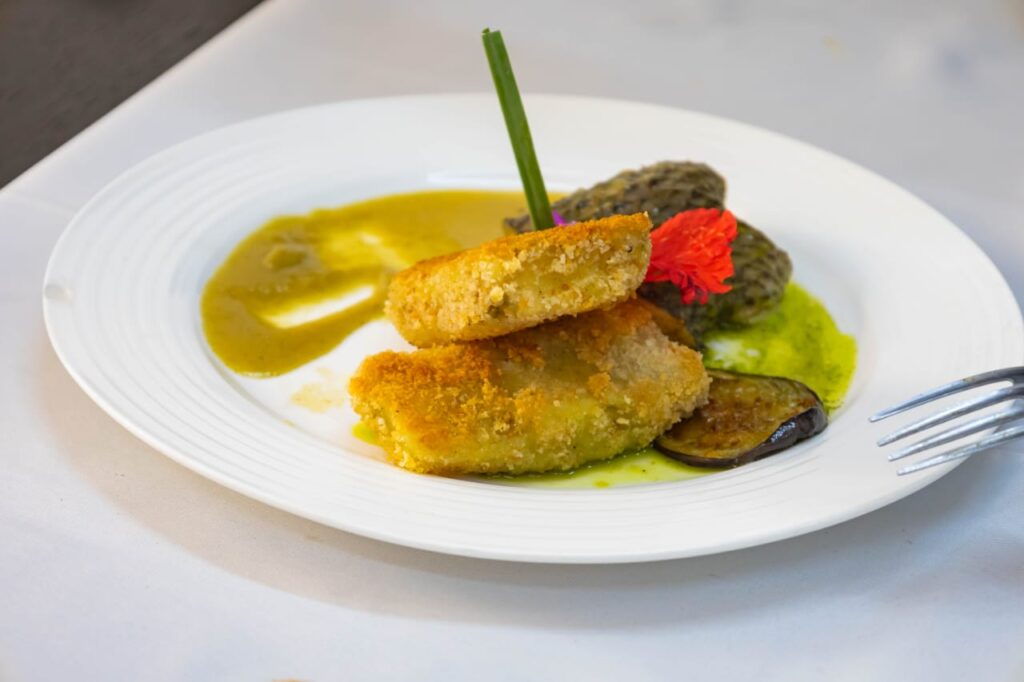
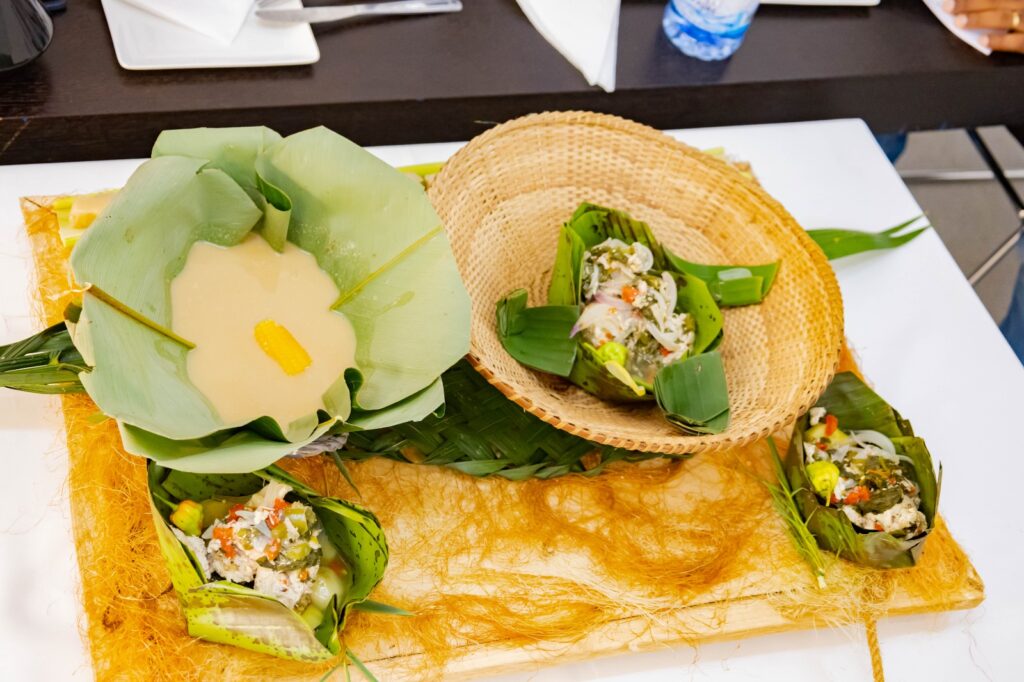
Rooted in Tradition, Driven by Discovery
We envision a continent where African food is celebrated, respected, and central to sustainable food systems, cultural pride and policy frameworks
Our purpose is to mobilise African chefs as custodians of culture and catalysts of change, who reclaim, celebrate and defend African foods, indigenous ingredients and the farmer-managed seed systems behind them, from the kitchen to the classroom, the farm and the parliament.
How We Work Together
Members of the Network shall:
- Treat every member, cuisine, culture and language with respect. No African cuisine is ranked above another.
- Credit the communities, elders, women and farmers from whom recipes and knowledge come, and seek consent before sharing knowledge a community holds as its own.
- Never claim ownership of, or patent, traditional recipes, seeds or food knowledge held in common.
- Be honest in all public statements made in the name of the Network.
- Keep the Network free of harassment, discrimination and abuse of any kind.
- Keep the Network non-partisan. Members may engage political leaders and parliaments on food policy, but won’t use the Network to support any political party or candidate.
Our Objectives
– Raise the standing of African food. African foods, dishes and indigenous ingredients, at home and globally.
– Document and pass on traditional recipes, food histories and cooking techniques across generations.
– Advocate for policy that protects African food heritage: national food sovereignty charters, farmer-managed seed systems, local public procurement, and African food in school curricula and school feeding.
– Build working links between chefs, farmers, agroecology movements, journalists, educators and policymakers.
– Support young chefs and women in food through mentorship, training, exchanges and access to opportunities.
– Promote culinary innovation that adapts African heritage to modern life without losing its identity, including African “fast food”.
– Promote intra-African solidarity through culinary exchange and mobility, including advocacy for easier visa regimes for chefs.
Education and Knowledge Transmission
We document and archive recipes, food histories and techniques; link elders and youth through storytelling, mentorship and food clubs; and push for African food and agroecology in school and culinary curricula.
Advocacy and Policy
We advocate for policies that protect African food heritage: national food sovereignty charters, farmer-managed seed systems, local public procurement, and African food in school curricula and school feeding.
Frequently Asked Questions
We’re a continental, non-profit, non-partisan association of African chefs and culinary practitioners, led by our members. We campaign under the hashtag #MyFoodIsAfrican and work closely with AFSA and its members.
Join the Movement
African food carries memory, culture, spirituality and identity. It’s medicine, heritage and a gift from the land and from those who came before us.
Share your African food stories and activities using #MyFoodIsAfrican, or connect through our WhatsApp community, My Food Is African Chefs, to access campaign updates, resources and opportunities to organise, mobilise and act for Africa’s food sovereignty.